



Small Business Local SEO: The Complete Guide to Ranking in Your City in 2026

You are a small business owner, and you know the importance of standing out in a crowded online marketplace. If you’re a small business owner and want to dominate your local market and get more clients, then learning local SEO for small businesses is not just useful; it’s a must. This ultimate guide will teach you the best local SEO strategies to grow your local business.
Small Business Local SEO: A Guide What is local search engine optimization?

What is Local SEO?
You want your business to rank among the top search results. Local SEO for Small Business Local SEO is a type of SEO that will enhance your visibility in local search results so your business will show up for potential customers. Local SEO is to get clients in a specific area, and national SEO is to target a wider audience. By doing this, your listing will show up on the first page of Google Search and Google Map results when a potential customer in your area types in a product or service you offer. This will boost foot traffic and online leads to your local business.
Why Local SEO is Important for Small Businesses
Local SEO is a process that small business owners can’t put too much importance on. Small businesses that don’t have a strategic local SEO plan risk losing potential local customers to competitors who have invested in their online presence and losing the chance to grow their business and establish their local market dominance. This is the best way to reach your immediate local audience and make sure that people searching for your products or services “near me” can find your local business.
Top Ranking Factors for Local SEO
If you’re a small business trying to improve your local search ranking you need to understand the key local SEO ranking factors. That means excellent local citations, a strong local link building plan, NAP (Name, Address, Phone) consistency across all your business listings, and a highly optimized Google Business Profile (previously Google My Business). Another option is to optimize your content with relevant local keywords and get great client reviews to boost the visibility of your local business in local search results.
Local SEO for Small Businesses: Benefits Explained

Enhanced Local Search Visibility
The biggest benefit of local SEO for small business is the big boost in local search exposure. Good local SEO methods will help your local business rank better on local search results, including the much sought after local pack. When they search locally for anything comparable, more local clients will find your services and your local search exposure is increased. You will see an immediate rise in your small business inquiries and sales.
More customer engagement
An effective local SEO strategy allows clients to easily reach out to you by providing them with all the information they need about your local business. Once you have customized your Google Business Profile, customers can easily find your company’s name, address, phone number, hours, and even directions. This will make your business listing easier for potential local clients to contact you by phone, online, or in person and will increase interaction with your local customers.
A cost-effective marketing strategy
For small business owners, local SEO is one of the cheapest marketing strategies out there. Local SEO focuses your efforts on a specific local market and gives you a higher return on investment compared to traditional or national SEO efforts. It’s a wonderful way for small businesses to grow sustainably. If you are targeting local keywords and creating local backlinks, you can improve your local rankings without spending a lot of money.
15 Local SEO Tips for Small Business

1.Google My Business Optimization Service
The first, and most crucial, step in any small business local SEO strategy is Google Business Profile optimization. A free way to help local businesses update how they appear on Google Search and Maps. This affects how they show up in local search results and their ability to win local customers. Add verified facts and compelling content to your Google Business Profile to improve your local search ranking and help local customers find your local business.
Claim and Verify Your ListingGoogle Business is a terrific strategy to maximize your Google My Business listings. Make sure your NAP (name, address and phone number) and website URL are the same on all your online local listings. Display great photos of your business, products and services nearby. Images can boost interaction and allow you to get more local clients to your profile. Please keep your hours up to date especially on holidays. It helps you maintain a good reputation on the internet and prevent disgruntled clients.
Responding to Good and Bad Reviews on Google Responding to good and bad Google reviews indicates that you care about exceptional customer service and the local community.post events, deals, and updates Use the “Posts” tool to keep your Google Business Profile updated, and post important information that can increase foot traffic and queries. By including all relevant areas (services, goods, description, and local keywords) to your enterprise, you can rank higher in local search results and increase your local search visibility to grow your business in the local market.
2. NAP consistency across listings
NAP consistency is a key component to local SEO for small businesses. N.A.P. refers to the listing of your local business’ name, address, and phone number on the web and should be consistent. Search engines like Google use this consistency to fact-check your company. This will help your local search rankings as well. Having inconsistent NAP details confuses search engines and potential local customers. So, you should keep your business active and current. Inactive listings hurt your visibility in local search results and erode trust in your business listing.
Create a clear and accurate record of your company name, address, and phone number. Improving your company’s Google ranking and local SEO starts with a clear and accurate NAP record. A strong NAP consistency builds trust with search engines. Use this as your main source for all local internet listings. Then, review your existing local citations and business listings on directories, social media, and your website to verify that your business information is correct. Even down to the small things like street abbreviations (i.e., “Street” vs. “St”) or phone number formatting. Cleaning up inconsistencies is important for your local SEO.
Your master NAP record must be an exact match to each local directory submission. Check your NAP consistency periodically using manual views of major local listings or local search engine optimization tools. Consistency across all platforms means local clients always see the right information and builds your credibility with search engines. This is part of their general local SEO strategy and helps to increase their exposure in local search results for small businesses looking to grow their local footprint.
3. Tap into Local Business Citations
Local citations are listings of your local business name, address, and phone number (NAP), whether or not they link back to your website. This is why local SEO is so crucial. Citations matter for local SEO for small businesses since they signal to search engines that your firm is reputable and relevant to the local market. Your good quality profile and the consistency of your local citations can go a long way to improve your local search results and make it easier for local clients to learn what you have to offer.
This will improve your local SEO and your local ranking. In order to benefit from local citations, you need to get your local business listed in excellent, relevant, industry-specific internet directories. When setting up a Google Business listing, start with existing locations like the Yellow Pages, Yelp, and local chambers of commerce. Also look for local directories that are specific to your niche to help your company rank in local search results and are generally more relevant and influential to your target local audience. Check that all new submissions are consistent with your NAP information as you have them set up. “You want to make sure that local customers aren’t confused and search engines aren’t confused.
These mentions are local citations, and they can boost your web profile. Look for local citations, both structured and unstructured. Unstructured citations can be found in blog posts, news stories, or mentions in local newspapers, and structured citations can be found in web directories.One of the best ways to improve the credibility and relevance of your local business to search engines is by collecting more quality and regular local citations. This instantly enhances your local search visibility and helps grow your local business. Great local SEO tips. More local clients.
4. Local Link Building Strategies to Try
Local backlink strategies are super important for small business local SEO. Backlinks from other trusted, local sites are a great way to tell search engines that you are a legitimate, trusted business. Local link building is not local search engine optimization. That’s because it’s all about getting links from local websites (local news sites, community groups, and other local companies). These local backlinks are very powerful local ranking factors and can have a significant impact on your local search results and overall exposure. Your business will be known to the customers in the area.
The first step in creating a successful local backlink strategy is to identify local linking partners to get your company involved in the community.Be visible and engaged in the community by participating in neighborhood events, sponsoring local sports teams or collaborating with local companies for mutual marketing. Not only will these actions obtain some local press out of these activities, but will automatically provide opportunities for local backlinks. Reach out to local bloggers, journalists and influencers who could be interested in your company and offer them exclusive content or insider knowledge.
Also, try to create quality local content that other local websites would want to link to, such as a list of resources for local customers to find local hobbies or a guide to local attractions. Consider doing some local charity work or attending free courses to build up local relationships and raise your profile within the community. Solid local link development technique for small business owners. which means quality backlinks from local sources. This is very crucial if you want to improve your local search rating and make your local business stand out from the competitors in the local search results.
5. Develop a Local Content Strategy
The first step to local SEO for small businesses is having a local content strategy centered on the market. This is an excellent opportunity to demonstrate your relevance to the community and to build a genuine connection with your local audience. An approach that you may utilize is to create geo-targeted material that is unique to the needs, interests, and questions that your local clients have. Optimizing your local business for local keywords and local content can help you increase your ranks in local search results and will help you attract more local and focused clients looking for services in their area.
Do keyword research for local keywords to find out the local search intent keywords, neighborhood SEO keywords, and city-related keywords that your target local clients are searching for. Make sure to incorporate these local keywords in your blog posts, service area pages, and website content, of course. Blog about local events, news, or tour guides to showcase your commitment and knowledge of the area. Perhaps a local bakery would put up a sign like “Best Weekend Brunches in [City Name]” or “Supporting [Local Charity Name] with Our New Pastry.
” By producing geo-targeted content that deals with local issues or answers local questions, you will be seen as a trusted source in your guide to local SEO. These can be case studies of local clients, FAQs answering the difficulties of your local customers or guidelines of local legislation relevant to your industry. A strong local content strategy will not only boost your local results, but will also help you connect better with your local audience, attract more local consumers, and improve your overall local SEO for small businesses.
6. Create Location Pages
Location pages are important for small businesses that have more than one location or a defined service area, and they should be optimized for local SEO. These local sites are niche and a great area to post your geo-targeted content Each local corporate branch or service location has information on the pages for prospective local clients. Good location pages help with local SEO and can help your local business rank better for city-specific keywords in local search results.
To find the location of the nearest store, please visit our web page at www.yourbusiness.com or call us at [local phone number] during normal business hours.[Business Name] [Business Address] [Local Phone Number] [Working Hours] A map of where we are and the routes we take and a clear call to action for local clients. Also include customer reviews for that location as star ratings. The pages here should be filled with detailed, geo-targeted information about the goods or services offered there, along with relevant local keywords.
Customize local clients with unique imagery and video of each local company location and its employees. If you don’t have a physical storefront and your small business serves a wide geographic area, creating service area pages with information on the specific cities or communities you serve can be just as successful. These pages are designed to give you granular information by location so that when local clients are searching for services in a specific local area or are searching “near me,” your local business listing is visible and highly relevant in local search results.
7. Add Local Business Schema Markup
Schema markup is a sophisticated, but highly successful local SEO approach for local firms who wish to establish their imprint in local search results. Schema markup (structured data) helps search engines comprehend your local company information better which leads in increased local search visibility and development of more engaging snippets in search results (star ratings, business hours, etc.).
This can help increase your local ranking and boost your Google Business Profile listing, presenting potential local customers with key information about your business immediately from the Google Search results page. The schema type “LocalBusiness” is highly relevant for local businesses especially if you are optimizing your Google Business Profile listing. This schema allows you to tag important information such as your company’s name, address, phone number, website URL, hours of operation, customer ratings, price range and accepted forms of payment. Adding this local structured data to your website’s HTML enables search engines to easily and quickly comprehend the key information about your local business.
This avoids misinterpretations that would harm your local search visibility.You can add schema markup utilizing several local SEO tools, or with Google’s Structured Data Markup Helper.Make sure the information in your local business schema is the same as what you have in your Google Business Profile and other local listings to be NAP consistent. Schema markup, when done appropriately helps search engines comprehend your content better and enhances your local search rankings. Schema markup also improves the appearance of your business listing in local search results and attracts local customers.
HTML
This schema can be used to markup important information such as your company’s name, address, phone number, website URL, hours of operation, customer ratings, pricing range and accepted methods of payment. Including this local structured data in your website HTML helps search engines get the vital facts about your local business quickly. This prevents any confusion that could impair the effectiveness of your local search. You may add schema markup using a number of local SEO tools or with Google’s Structured Data Markup Helper.
To be NAP consistent, the data you provide in your local business schema should match the data you use in your Google Business Profile and other local listings. Schema markup can enhance your local search rankings, and when implemented correctly, can help search engines better understand your content. Schema markup enhances the appearance of your company listing in local search results as well as increasing local customers.
8. Make Your Site Mobile Friendly
Optimizing for mobile local search is an essential local SEO technique for small businesses. After all, the vast majority of local customers use their cell phones to find local businesses and services. What is mobile-first indexing? Google primarily ranks a mobile-first indexed site based on the mobile version. A fast, responsive, and easy-to-use mobile experience directly affects your local search rankings and local search results visibility. For attracting local customers who are usually on the move looking for companies like yours, a mobile-optimized local company website is a must.
Your website needs to be fully responsive for it to rank high in mobile local search. It should work perfectly on all screen sizes (desktop, tablet, and smartphone). Page speed is important because mobile visitors want web pages to load fast. High bounce rates on slow websites will impact local search engine optimization and are very important for your company’s Google ranking. Keep things simple and clear so that material is readable on small screens. Your calls to action, like “Click to Call” buttons or directions to local businesses, need to be easy and obvious to tap. And think about user experience when it comes to voice search optimization and “near me” searches.
With local consumers turning to voice assistants on their mobile device to identify companies near them, it is more critical than ever to optimize your content for conversational local keywords and question-based searches. Regularly check your website’s mobile usability using tools like the Google Mobile-Friendly Test. Optimizing for mobile is essential to capture more of your local audience as they search locally on their mobile devices. This can tremendously assist you enhance your small business local SEO and bring more local clients to your website or brick and mortar store.
9. Leverage Customer Reviews.
Customer reviews are one of the best local SEO strategies a small business can employ because they directly affect consumer trust and local search ranking. Positive testimonials from clients (Google reviews and Yelp optimization) greatly boost your business’s visibility in local search results and the local pack, ensuring that your business appears in search results. Online reputation management is a vital component of any local business’s plan to attract more local clients, as star ratings and testimonials have a lot of influence on the local customer’s buying decision.
Ask happy clients to leave reviews for your company on Yelp and other relevant websites and your Google Business Profile. Give your customers a simple way to access your correct business information by providing direct links or QR codes. Answer all reviews, positive or negative, in a timely and courteous manner. We thank the reviewers for their helpful comments. “When we receive negative feedback, we own the problem, apologize, and offer a solution.” That’s great customer service, and it lets potential local customers know that your business welcomes feedback and cares about their satisfaction.
The constant influx of fresh customer reviews combined with a high number of star ratings can significantly boost your local search rankings and visibility. Google loves fresh, authentic reviews especially, and they are an important part of local search results. Adding a system to collect and manage customer reviews to your overall local SEO for small business strategy can help your local business build a strong online reputation, gain trust in the local marketplace, and become much more attractive to local customers looking for goods and services in local searches.
10. GEO & local keyword optimized content
Geo-targeted content and local keywords are one of the most important local SEO methods that small businesses may leverage to conquer the local market. Add local keywords to your blog articles, service area pages and other website content to increase your chances of appearing in local search results. This means your local business will rank high when local consumers search for local services using “near me” or city-specific keywords, resulting in relevant traffic and queries. The strategy is based on some components:
- using important local keywords in your blog entries, service area pages and website content.
- Also, make sure that your business is showing up for city-specific keywords or when local consumers do “near me” searches.
The first step to understanding what your local audience is really looking for is to do some good local keyword research. It has a direct impact on your local search rankings.
Also, it does not only mention the name of your location but also tells why local SEO is an important procedure. Think about local SEO, local area names, landmarks, and local activities related to your business.Create geo-targeted content that focuses on local issues, local solutions or local cooperation. For example, a local plumber might write a blog post titled “How to Prepare Your Home for Winter in [City Name]’s Climate” or “The Most Common Plumbing Problems in [Specific Neighborhood].”This is good for local SEO and helps to establish your local company as a reliable authority in the community, which builds trust and brings in more local clients looking for highly relevant information.
11. Perform a Local SEO Evaluation
One of the most important local SEO tactics small businesses can do is performing a local SEO audit on a regular basis to maintain and improve their online presence and visibility in local search results. A complete local SEO audit checklist can reveal opportunities, weaknesses, and strengths to small business owners in all aspects of their local SEO efforts. By taking this proactive step, you can ensure that your local business will always rank higher in local search results and attract more local clients than ever before, outperforming your competitors.
- Local SEO – An important step to take to improve your presence online in your local market. Does your business need a local SEO audit to grow? This review is important since it presents a number of important issues:
- Maintain an accurate and up-to-date Google Business Profile. Ensure your Name, Address, and Phone number (NAP) are consistent throughout all your local citations and business listings.
- Check the quality and relevance of your local backlink profile. Run a technical SEO and mobile-readiness audit of your site for local search. Those are the essentials to getting your organization into the search rankings.
If local search is your biggest concern, then you should evaluate the success of your local content strategy. This includes local keywords and schema markup for local company SEO.
Here’s where local SEO tools will come in handy. They can inform you where you stand locally, whether you have any penalties and guide you on the practical measures you can do to improve your local SEO and grow your business in the local market.
12. Voice search optimization
As more local consumers use voice assistants like Siri, Alexa, and Google Assistant to search for local companies and services, local SEO is becoming a critical technique for small businesses to optimize for voice search. Voice search optimization is more conversational and question-based than regular text search. When your local SEO speaks the language of the people, your local business can get much more visibility in local search results and connect with the growing segment of the local audience who are using voice commands to search for “near me.”
Here’s how to properly optimize for voice search:
- Include long-tail conversational local keywords in your content that are relevant to the types of questions local clients are asking their voice assistants. Look for phrases like “Best [service] near me” or “Where can I buy [product] in [city name]?
- Create website content that directly addresses such questions, especially blog posts and FAQs.
- Add your address, phone number and open hours to your Google Business Profile.
Add local structured data to your Google Business Profile listing Local business schema markup - These items will assist search engines understand information about your local business better, which improves your voice search results and your local ranking. The logic is that voice search frequently uses information from business listings to quickly give answers to local consumers.
13. Join local social media marketing.
Local social media marketing is one of the most potent local SEO methods that allows small businesses to engage and interact directly with their local audience, establish a sense of community, and drive local customers to their brick-and-mortar or online store. Active local social media marketing is not a local ranking factor like local citations or backlinks but it helps a lot with local search exposure. This can help you strengthen your total local SEO for small businesses and provide you with the opportunity to raise brand awareness, online traffic and local interaction all of which are indirect signals of relevance for search engines.
So you need to be on the social media sites that your local clientele in your area are utilizing to market your business locally. Publish geo-targeted material such as local events, news & offers to engage customers searching for these in your area and assist local businesses grow their online presence. Create a community around your business, encourage your users to generate content, host local competitions and respond quickly to messages and comments. That’s a big aspect of local SEO.
Write in the local language of the city you’re targeting. Use the names of local companies or landmarks in your posts and profile descriptions to enhance your local visibility. Consistently connecting with your local crowd on social media and creating helpful content can be a wonderful way to boost exposure for your local brand and add to your other local SEO efforts. This can help local customers looking for your business to find your website and business listing.
14. Research local competitors.
A local competitor research is one of the most significant local SEO methods small businesses should do to beat out the competition in their local market. Knowing the strengths and weaknesses of your local competition can help you fine-tune your local SEO and improve the visibility of your local search results. This strategic research will assist small business owners identify possibilities to out-perform their competition, develop a larger local customer base and become a leader in the community.
First, see which of your top three to five local rivals are consistently ranking in the top three to five local search results and the local-pack for your local keywords. Google might want to try to find out more about their competitors, something like Google. Check out the optimization of their Google Business profile, including categories, photographs, and the number and quality of customer reviews they have. Look at their geo-targeted content and local keywords they are targeting. Visit their website for local content strategy.
Check their backlink profile, backlinks and local citations. Use local SEO tools to compare their local position to yours. This deep-dive into your local competitors may show you where your own local SEO strategy for small businesses is lacking. Maybe you haven’t included your firm in local directories or you don’t have a robust local link-building strategy. Either way, you will be given actionable measures to improve your local SEO efforts and expand your business.
15. Use Google Local Service Ads
Google Local Services Ads are a great local SEO strategy for small service businesses to connect with local customers, right when they’re looking for specific services. This will provide your local business with a lot of visibility, as it will show up in the top of Google Search results, often above the local pack and the traditional organic listings. Local Services Ads are not the same as regular Google Ads. They are designed to give you qualified leads.
Customers may contact your company directly by phone or message. It’s a very effective way to increase your local ranking for service-based searches and attract more local customers. To begin running Google Local Services Ads, your local business will need to complete Google’s background check and verification process. Once you pass the process, you get a “Google Guaranteed” or “Google Screened” label that makes you significantly more credible to potential local clients.
You only get paid when a customer calls or texts you directly from the ad after verification. It is a 100% lead-driven and affordable sales channel. The local areas you cover and the types of services you provide can be selected so that your ads are highly geo-targeted to the most relevant local audience. This targeted approach will not only increase your visibility in local search for those all-important “near me” searches but will also complement your other local SEO efforts and grow your company by attracting vital local clients.
Common Local SEO Mistakes To Avoid

Even if you know your stuff about local SEO for small businesses, there are some mistakes that can hurt your local search. Local SEO pays off in the long run, so it’s just as important to avoid these common local SEO mistakes as it is to execute successful local SEO practices. Many small company owners make mistakes that prevent them from showing up in local search results and cause them to lose out to competitors who have a more effective local SEO strategy. Your company needs a high local ranking and online presence, and understanding these mistakes can save you time and money.
Do not read the customer reviews.
Ignoring customer feedback is one of the biggest mistakes that small businesses make with local SEO. Customer reviews, especially Google reviews and Yelp optimization, are some of the most powerful local ranking determinants. Local buying decisions are heavily influenced by customer reviews. The more reviews you don’t ask for or neglect, the more you’re telling search engines and potential local customers that your local business doesn’t care about customer happiness or isn’t actively engaged in it. This can have a big impact on your visibility in local search results and your online reputation management. Otherwise you could be losing out on vital local customers to competitors with higher reviews and more involvement.
Mobile Optimization Avoidance
Another large local SEO mistake that can really hurt a small business’s visibility to local customers is not being mobile-friendly. The majority of local searches happen on mobile. If your website isn’t mobile-friendly, you are giving a bad user experience. This results in higher bounce rates and worse local search ranks. If your website isn’t mobile-friendly, Google’s mobile-first indexing approach will negatively impact your entire local SEO plan for small companies. You are missing out on a large percentage of your local audience via local mobile searches, and this is why you can’t attract and win over local customers.
Local Keywords: The End
One of the most common and expensive mistakes local SEO mistakes made by small business owners is ignoring local keywords. It is tempting to optimize for the broader, national SEO keywords, but if you ignore the exact local keywords and city-specific keywords that local clients use when performing local searches, you will dramatically reduce your visibility in local search results. If you don’t have geo-targeted content with relevant local keywords, your local business won’t get much visibility in the local pack and “near me” searches, and it won’t be easy for your target local audience to find your services. Without local keyword research, you’ll miss out on local clients who are more likely to convert.
Local SEO FAQs (Frequently Asked Questions)
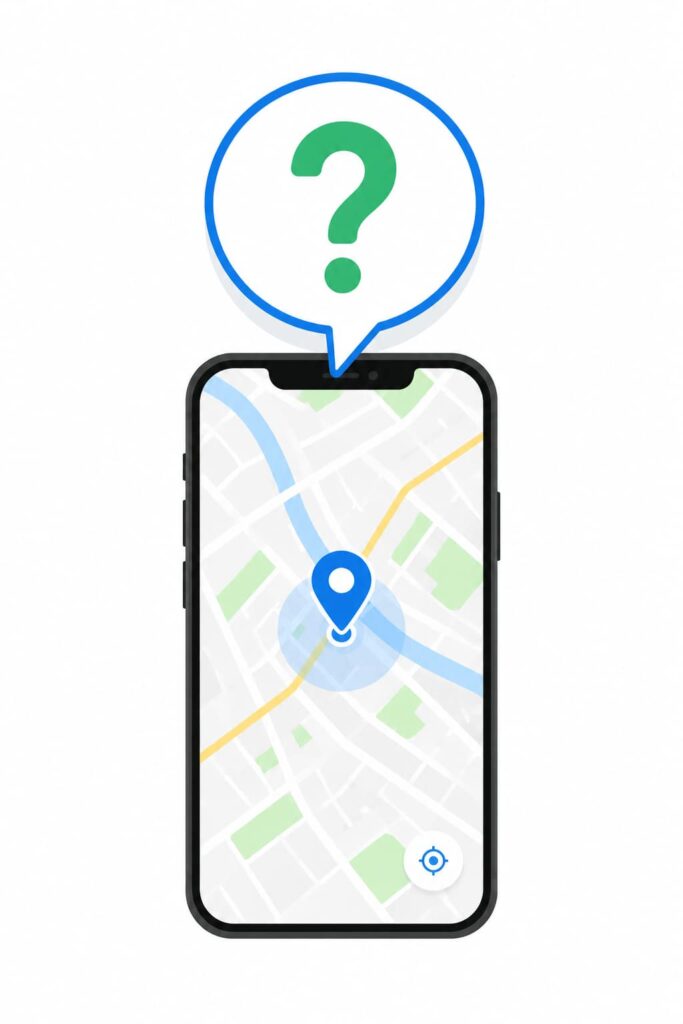
Importance of Local SEO for Small Businesses
The significance of local SEO for small businesses in this digital age cannot be overstated. If they want to get more local customers, any local business is required to have a strong local SEO strategy.This immediately affects your visibility in local search results and ensures that your company’s listing is prominently displayed when potential local customers search for “near me” or specific services in their vicinity.
If you don’t have solid local SEO for small businesses you can end up losing your major local audience with your competitors snatching away your vital local clients and not allowing you to expand and have a strong local presence. It’s the most targeted and cost effective approach to engage with your community while boosting your local search visibility and rating.
How do you get your Google Maps ranking?
Small Business Local SEO Strategy #7: Optimize Your Google Maps Position Local clients usually search for services on the Google Map pack, so it’s important to optimize your Google Maps position.You need to optimize your Google Business Profile to rank higher in local search results on Google Maps. Make sure your firm name, address and phone number (NAP) are correct and consistent, and select the most appropriate categories for your local business.
Post good quality photographs, respond to all Google reviews and use the “Posts” option to routinely publish modifications. Ask local customers to post a fresh Google review. The star rating and number of reviews matter for local ranking. Implement a local content strategy on your website that uses local keywords relevant to your service region and is optimized for mobile devices. When ranking local searches, Google Maps takes your whole web presence into account.
Best Local SEO Tools for Small Business?
These local SEO tools are great and may be very useful for small business owners that want to improve their exposure in local search results and make their local SEO operations easier. Google’s own tools make it easy to manage your Google Business Profile and customer reviews. Semrush, Moz Local are more tools with rich capabilities for local keyword research, local search rank tracking, local citations monitoring and local competitor analysis.
Another wonderful firm is BrightLocal, which offers local SEO services and tools that help with citation building, online reputation management, and local rank tracking. These local SEO tools enable you to find local backlink opportunities, learn about your local market, and check that your NAP is consistent. Knowing what influences your local search ranking will help you with your local SEO efforts, bring in more local clients to your business and grow your business more efficiently.
How to Find Local Keywords
One of the most important parts of a successful local SEO strategy for small businesses is local keyword research. It helps you find what local shoppers are seeking for and local search optimization. List words relating to your city, neighborhoods, surrounding local locations, as well as your local company and services (ex., “plumber [city name],” “coffee shop [neighborhood]”). Explore local SEO tools include Google Keyword Planner, Semrush, or Ahrefs to find city-specific terms, “near me” searches, and long-tail keywords that local customers are typing to find companies like yours.
Find the local search intent. Like e.g. Do consumers want fast service, information or items to get customers from appropriate local search results? Incorporate these regionalisms naturally into your blog entries, service area pages, Google Business Profile, and website content. You may also want to look at your local competition and see what local keywords they rank for. It helps you to fine-tune your local SEO approach to boost your local search results and draw in more focused local clients.
What is the connection between local SEO and online reputation management?
One of the most crucial and most difficult local SEO obligations for small businesses is to manage their online reputation. This immediately impacts local search rankings and the trust of potential local customers. Positive customer reviews and star ratings can assist your online reputation by demonstrating search engines that your local business is a trustworthy provider of quality services and can help increase your exposure in local search results. That’s where Google reviews, and Yelp optimization come in.
A good company will show its devotion and attention to customer satisfaction by actively asking for fresh reviews and responding to all reviews swiftly and professionally, good or poor. Being proactive in managing your online reputation can boost your company’s ranking in search engine results and help earn the trust of your local clientele. This will encourage people to choose your local business over your competitors when they do local searches. This will boost your business growth by drawing a loyal local customer base.
Local backlinks can bring your business lots of benefits like:
Local backlinks are key for local SEO for small businesses. These powerful local ranking criteria will help you enhance your local search rating and get seen more in local search results. Local backlinks are not the same as normal backlinks. They assist your business rank higher on local searches and increase the visibility of your business. Local Backlinks – Links from other authority sites within your local area. It might be neighborhood associations, local news sites or other local businesses that compliment your business.
These trusted local sites linking back to your local business site notify search engines like Google that your company is a real, credible and authoritative element of the community.And this additional authority can increase the search rank of your company listing for local keywords and “near me” searches, resulting in more qualified local clients coming to your website. If you’re a small company owner who wants to crush your local market and expand your business via local SEO, then you simply MUST have a good local link-building plan that stresses the necessity of developing quality local backlinks.
What To Include In Your Local Content Marketing Strategy?
If you want to get local customers and boost your local search position, you need a robust local content marketing approach. Local companies may increase their online visibility by creating geo-targeted content that directly relates to the interests, needs and issues of their local audience.Begin by organically integrating neighborhood SEO terms, city keywords, and connected local keywords into your website and blog content.
Write a blog on partnerships, news or local events to demonstrate your commitment to the community and boost your company’s profile in local search results. 3. Local Service Directories, Resource Guides and Local Attractions Recommendations Add local service directories, resource guides and local attractions recommendations in your local SEO guide.
Add context to your content with local structured data and schema markup to optimize your Google Business Profile listing. You can also include case studies or testimonials from clients in your local area to give your Google My Business listings a little more legitimacy. Effective Local SEO for small business will make your local clients see your website as a valuable resource and you will get massive visibility in local search results. The goal is for your local business to be a conscious and active player in the local market.
Conclusion and Call to Action
Local SEO Expert Service: srnexrank.com
Local SEO is a tough task for small businesses, but if done right, it can take your local company to levels of success previously unheard of in attracting local customers. We at SRNexRank.com love to build unique local SEO strategies for small business owners across the United States.
Our local SEO professionals use proven local SEO techniques to increase your visibility in local search results, improve your local search rankings, and help grow your business. Don’t let your competitors steal your local audience. Get a free, comprehensive local SEO audit and custom plan to manage your local SEO operations today by contacting srnexrank.com.
Technical SEO Audit Checklist
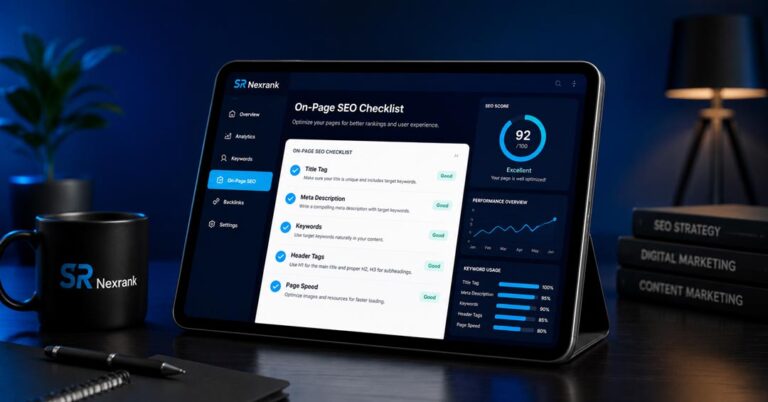
Also Srnexrank.com provides valuable information about additional tools to help you enhance your local SEO. Resources are available to help small business owners understand the complexity of local search. Want to enhance your local content strategy, NAP consistency and Google Business Profile optimization? Check out our ultimate local SEO checklist. Want to make sure the foundation of your website is rock solid?
Our technical SEO audit checklist goes into great detail to cover everything that matters to your website’s overall health and local search exposure. Using these tools together with skilled local SEO services from srnexrank.com will provide your local business the chance to increase its position in local search results, reach more local clients and make its mark in the competitive local market.


Thank you for sharing this.
Thank you so much